Border Security and Wilderness at Big Bend
The controversy over whether or not to build a border wall or other physical infrastructure in Big Bend National Park and surrounding areas is a huge issue with major implications not just for border security, but for the resources and visitor experience at Big Bend as well as for the sense of “wildness.”
News stories about illegal border crossings and smuggling of people or contraband along the southern border of the United States have been in the news for years, but the Big Bend area has by far the lowest rate of illegal activity of the entire US – Mexico border. It is understandable that the public could be concerned that new border infrastructure or a change in the status of specified acreage at Big Bend National Park to Congressionally-designated Wilderness might affect the level of border protection within the park boundaries.
See our News and Updates page, or other pages within this Border Issues section, to stay up to date. Keep Big Bend Wild provides this additional information about border security at Big Bend and the impact of Wilderness designation to help provide historical context and inform decision making about the future of the park.
Before they can feel comfortable supporting action to Keep Big Bend Wild through wilderness designation, local residents and the broader general public need answers to questions such as:
Illegal Border Crossings
How many people illegally cross the border inside Big Bend National Park? Is this a crisis?
The Border Patrol’s 517-mile Bend Sector (one of 9 from the Pacific to the mouth of the Rio Grande) forms 26% of the 1952-mile US-Mexico border but only accounts for less than 1% of the illegal migrant activity. This is least active of the 9 border sectors, due to due to its remote, rugged terrain.
The 118-mile border section within Big Bend National Park is by far the least active section of both the sector and the entire border, as it is adjacent to the most remote and rugged terrain in Mexico near the border. Apprehensions in the national park by the Border Patrol have been 100-200 per year since 2023, less than 0.05% of all US-Mexico border crossings reported by CBP.
This is not a crisis. Communications with the Border Patrol indicate their confidence that almost everyone who crosses the border here is apprehended peacefully either in the park or at one of the check stations north of the park. Even the local sheriffs, who have impeccable border security credentials, to not believe a physical wall or additional, highly intrusive security infrastructure is necessary or appropriate within the park.
Wilderness on the U.S. border
Wilderness management and border security can and do co-exist today along the southern border of the United States.
There are FIVE Congressionally designated wilderness areas next to the U.S.-Mexico border. They are managed by four different federal agencies: the US National Park Service (NPS), the US Forest Service (FS), the US Fish and Wildlife Service (FWS), and the US Bureau of Land Management (BLM). If the additional TWELVE wilderness areas along the U.S.-Canada border are included, there are currently a total of SEVENTEEN (17) wilderness areas along America’s international borders. There is already a history of active border security in designated wilderness areas.
On the Mexican border, from East to West:
| Wilderness Name | State | Agency |
|---|---|---|
| Pajarita Wilderness | Arizona | FS |
| Organ Pipe Cactus Wilderness | Arizona | NPS |
| Cabeza Prieta Wilderness | Arizona | FWS |
| Jacumba Wilderness | California | BLM |
| Otay Mountain Wilderness | California | BLM |
The Border Patrol actively patrols each of these areas, all of which have more border crossing activity than Big Bend does. Border walls and other major infrastructure have been built or are under construction in all of these areas, causing considerable controversy and impact to natural and cultural resources. The lower border crossing numbers in Big Bend, the terrain on both sides of the border, the effectiveness of existing security measures, and the distance in Mexico from paved roads, however, do not justify the construction of massive border security infrastructure.
Federal legislation to establish wilderness in Big Bend would not normally preclude border security infrastructure construction in wilderness. Keep Big Bend Wild and our partners, however, support a wilderness designation by Congress that would will rescind or restrict the Department of Homeland Security’s waiver of all federal laws within the national park and require that any proposed border security infrastructure in the park be specifically authorized by Congress and subject to the normal environmental and cultural reviews and public involvement.
The Current Role of the Border Patrol at Big Bend National Park
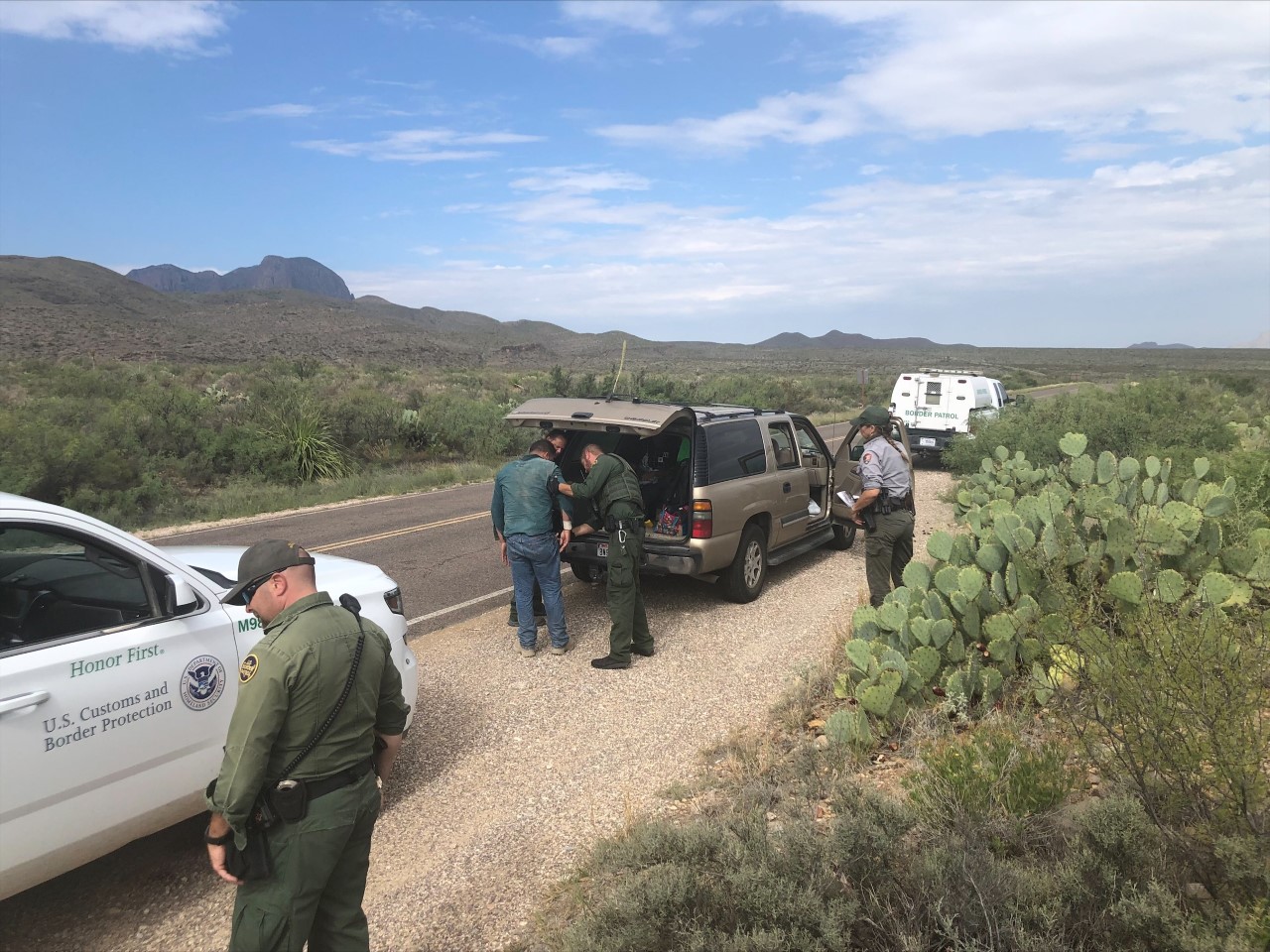
The current role of the Border Patrol at Big Bend is patrol, surveillance, investigation, and apprehension of illegal border crossing activity while respecting the values of the national park.
As the 118-mile-long border at Big Bend is amongst the most remote sections of the international border in either the United States or Mexico, illegal border crossing activity, while it does occur, is at a lower level than every other sector of the international border. For that reason, and the fact that the few roads in the Big Bend area all funnel northward to state and national highways, neither the Border Patrol nor the NPS see a need for significant physical infrastructure within the remote areas of the park to enhance security. There are no plans to construct border walls in, or near, Big Bend National Park.
There is substantial electronic surveillance of the border in the park, however, so most illegal border activity is detected and apprehended.
Current Working Relationship of Border Patrol & NPS at Big Bend National Park
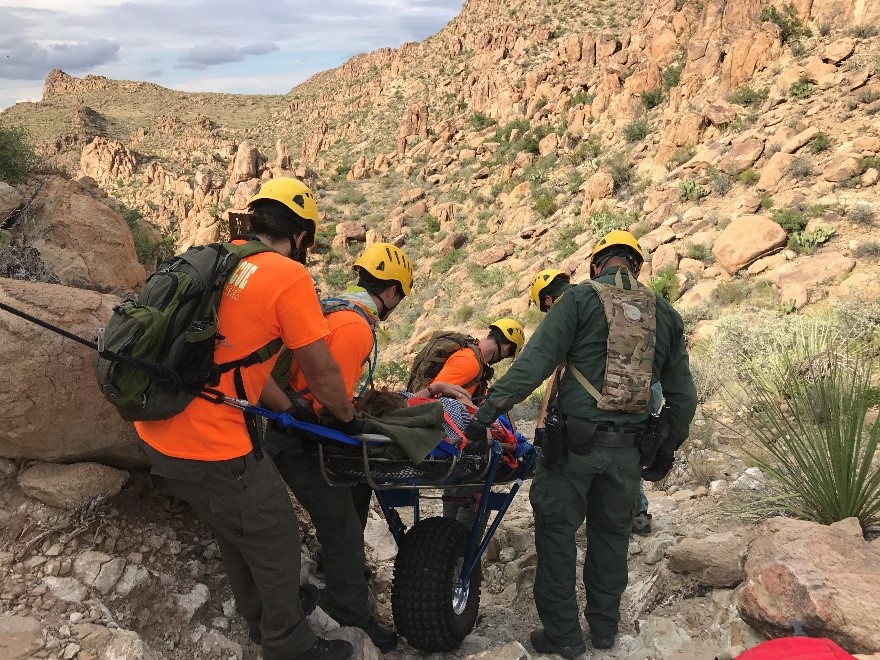
NPS and the U.S. Border Patrol have an excellent relationship at BBNP and work together to assure that each agency’s mission is accomplished.
The Border Patrol has a substation located in BBNP, where agents who live in the park work cooperatively with the national park rangers. Border Patrol agents focus on their border security mission and work alongside NPS law enforcement rangers. The field staff of both agencies cooperate on a daily basis to protect multiple national interests at Big Bend – which include conservation, public enjoyment, visitor safety, and security of the nation’s borders.
NPS and Border Patrol management confer on a frequent basis to ensure that their operations are complementary so that neither impedes the other.
Wilderness Would Have No Effect on Border Patrol Operations at Big Bend National Park
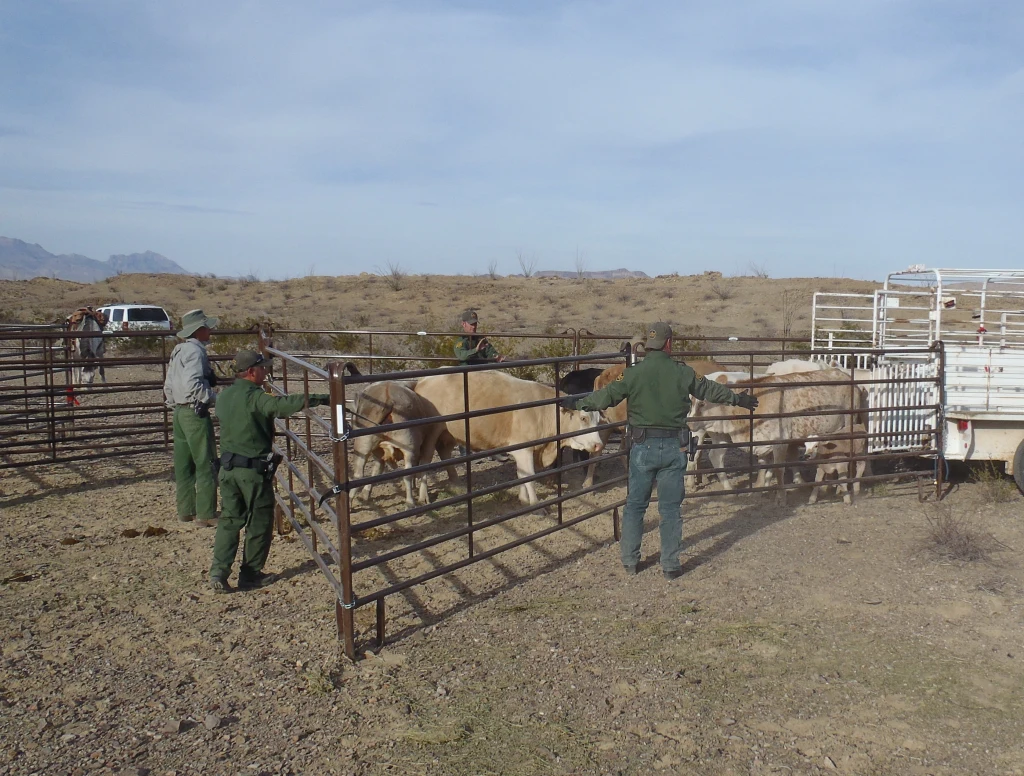
Wilderness designation would not change the mission or operations of Border Patrol at Big Bend National Park, its duties at the park, or its interaction with park personnel, the public, or those who cross the border illegally.
The designation of wilderness at Big Bend National Park would NOT prevent the Border Patrol from the performance of their duties in any area of the park. As the Border Patrol agents and senior management embrace the wild values of Big Bend National Park, they have long conducted their mission with sensitivity to the values of the national park in mind. For example, the Border Patrol assists the NPS with maintenance of primitive roads in the Big Bend backcountry – but does not drive off those roads except in the most dire emergency.
An interagency agreement which dates from the George W. Bush Administration (2006) guides the agencies through any border security issues or needs that should arise, such as accommodating required border security infrastructure that cannot avoid being placed within wilderness, while minimizing that infrastructure’s impact upon wilderness values and the visitor experience. This agreement has worked extremely well at Big Bend.
Additionally, wilderness does not preclude NPS or any arm of the Department of Homeland Security, including the Border Patrol, from using necessary means to ensure life safety and respond to emergencies, including motorized equipment and helicopter landings if necessary. The agencies pre-plan their programs carefully, however, to minimize the circumstances where it would be needed.
None of the Rio Grande River itself, which forms the border with Mexico, would be within the Big Bend wilderness. The only lands immediately adjacent to the border that are recommended for wilderness designation according to the 1978 recommendation to Congress are in Boquillas, Mariscal, and Santa Elena Canyons, where steep cliffs essentially preclude anyone leaving the river corridor and penetrating to the interior of the park, or the country. The remainder of the riverine corridor is not recommended as wilderness according to the 1978 map. Although the 1978 Congressional recommendation is over 40 years old, at this point it is STILL the official recommendation. However, the final decision on where wilderness is mapped within any federal property is strictly the province of Congress – after stakeholders and the public have weighed in with their opinions. Yet, it must be emphasized again that the designation of wilderness at any place in the park does not prevent Border Patrol from performing any of their duties.
References
Support Keep Big Bend Wild
Click this button to add your name to the growing list of individuals, businesses, and organizations supporting a wilderness designation for the undeveloped lands of Big Bend National Park.
If you would also be willing to help support Keep Big Bend Wild financially please click Donate.
Every contribution helps defray the cost of our volunteers to produce materials and travel to meetings to build awareness and strengthen our coalition.
Contributions supporting Keep Big Bend Wild are managed by the El Paso Community Foundation and are tax deductible as allowed by law.
© 2026 Keep Big Bend Wild.
Layout by Jess Repanshek and Kubio.
Images © Rebecca Latson.
Keep Big Bend Wild
P.O. Box 66
Big Bend National Park, TX, 79834